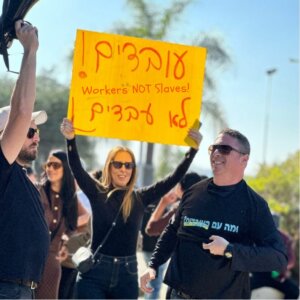
Pensioners
Retiring with Dignity: Histadrut pushes universal pension reform to the forefront of elections
19.10.26
The general federation of labour in Israel


Organised labour in Israel is currently in full swing. Many workers from all industries and across the country continue to join us, recognising that our collective voice is our greatest strength.
In an ever-changing economic landscape, the Histadrut remains the ultimate anchor for the workers in Israel. proving day after day that when workers stand together, they shape the future of the entire nation. From public servants to service industry employees, Hi-tech workers and even the self-employed, we are expanding our ranks to ensure that no worker is left to stand alone against corporate or systemic pressures.
Beyond the bargaining table, the Histadrut is a vibrant social ecosystem. Through our educational networks, cultural centres, senior living facilities, and specialised forums, we accompany our members through every stage of life.
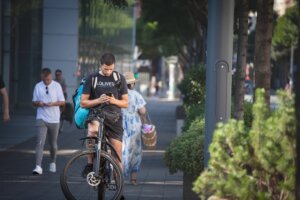
As algorithmic management, surveillance, and automated decision-making take over the modern workplace, hard-won labour protections face unprecedented challenges. Resisting innovation isn't the goal - ensuring that productivity gains lead to better wages, fair conditions, and real worker protection is. Discover the key principles to ensure a fair, human-centred digital transition.
Read more
Can Israel build a sustainable, low-carbon future without leaving behind over 1.27 million workers who are facing job shifts and changes due to climate risks and green policies? From extreme heat exposure on construction sites to structural overhauls in heavy industry, climate policies are reshaping the world of work today. Discover how strategic union dialogue and social safety nets can secure both Just Transition and green growth.
Read more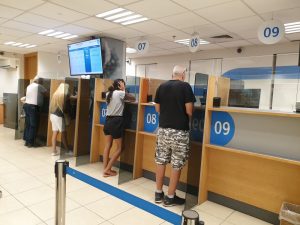
Can working fewer hours actually lead to a stronger economy and better public services? With Israelis working nearly 300 more hours per year than peers in other countries, long hours drive burnout and widen pay gaps rather than increase output. Discover how the Histadrut’s policy to cut the public-sector workweek to 40 hours and overhaul outdated pay structures is actively modernising Israel’s workforce. Learn how better working conditions can create a stronger, more resilient public service.
Read moreAs algorithmic management, surveillance, and automated decision-making take over the modern workplace, hard-won labour protections face unprecedented challenges. Resisting innovation isn't the goal - ensuring that productivity gains lead to better wages, fair conditions, and real worker protection is. Discover the key principles to ensure a fair, human-centred digital transition.
Read moreCan Israel build a sustainable, low-carbon future without leaving behind over 1.27 million workers who are facing job shifts and changes due to climate risks and green policies? From extreme heat exposure on construction sites to structural overhauls in heavy industry, climate policies are reshaping the world of work today. Discover how strategic union dialogue and social safety nets can secure both Just Transition and green growth.
Read moreCan working fewer hours actually lead to a stronger economy and better public services? With Israelis working nearly 300 more hours per year than peers in other countries, long hours drive burnout and widen pay gaps rather than increase output. Discover how the Histadrut’s policy to cut the public-sector workweek to 40 hours and overhaul outdated pay structures is actively modernising Israel’s workforce. Learn how better working conditions can create a stronger, more resilient public service.
Read more