Inclusion and equality - Working for the workers of Israel
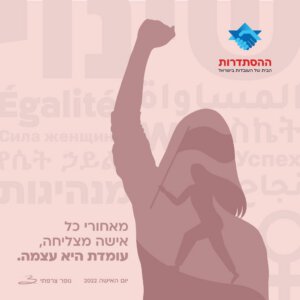
At the Histadrut, we believe that the Israeli labour market must reflect the full diversity of Israeli society. True economic growth and social resilience can only be achieved when every individual, regardless of gender, physical ability, background, or ethnicity, has equal access to dignifying work, fair treatment, and opportunities to lead.
1. Gender equality and women’s rights
As the largest and leading women’s movement in Israel, Na’amat, the Histadrut’s women’s wing, has fought for over a century to advance the status of women in the workplace, in the family, and in public life. It operates on a core premise: a woman’s economic independence is her strength. Na’amat builds the practical infrastructure and provides the legal safeguards necessary for women to enter, remain, and thrive in the workforce. These are their main focus of work:
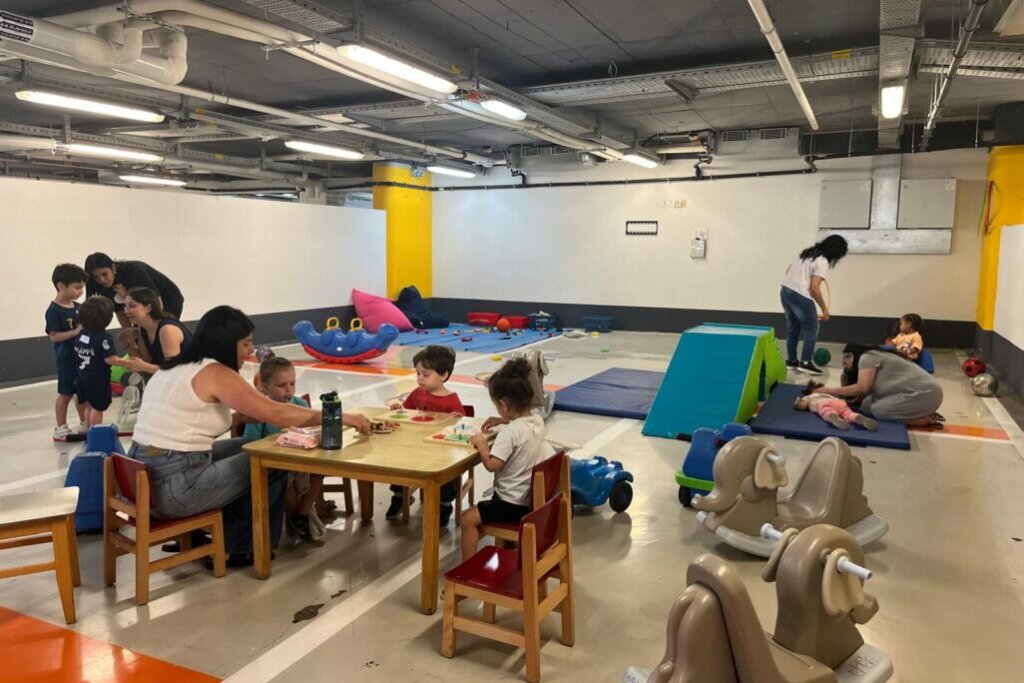
- Early childhood infrastructure and subsidised daycare: The single largest structural barrier to maternal employment is childcare. Na’amat operates a nationwide network of over 150 accredited daycare centres serving 12,000 children. By offering sliding-scale, subsidised tuition and extended care hours (including 7:00 AM to 7:00 PM care at multi-purpose centres), Na’amat gives mothers, especially single mothers and lower-income earners, the freedom to hold down full-time jobs and pursue professional careers.
- Legislative advocacy and public policy: Na’amat’s legal team works directly in the Knesset and the Supreme Court to shape labour laws, advocating for the enforcement of equal pay legislation, expanded parental leave policies, and mandatory female representation on corporate boards and public bodies.
- Workplace legal protection: Na’amat runs 22 Legal Aid offices across the Histadrut districts. These centres provide low-cost and pro-bono representation to protect women from legal hazards in the workplace, including illegal termination during pregnancy, pregnancy-related discrimination, pay disparity, and workplace sexual harassment.
- Advancing higher education: To break gender segregation in lucrative industries, Na’amat awards annual academic scholarships to women pursuing degrees in historically male-dominated fields such as STEM (science, technology, engineering, and mathematics) and law, as well as research grants in gender studies.
- The “Day After” post-crisis career integration: For women overcoming domestic abuse or trauma, economic self-sufficiency is vital to preventing relapse into crisis. Na’amat provides specialised workforce reintegration programs offering financial literacy training, resume building, interview preparation, and individualised career counselling.
2. Inclusion of people with disabilities
Following the groundbreaking collective agreement led by the Histadrut that mandated hiring people with disabilities across major sectors, the Histadrut appointed a dedicated Commissioner for the Employment of People with Disabilities in 2014.
Under the leadership of Commissioner Guy Simchi, the Histadrut works continuously to transform organizational cultures and societal attitudes:
- Quotas in collective agreements: Leading the landmark nationwide collective agreement that mandates employers with 100 or more workers to maintain a minimum representation quota for workers with disabilities (3% or more). The Histadrut works together with workplaces to ensure compliance and mandates the appointment of internal workplace supervisors to guarantee ongoing compliance and fair representation.
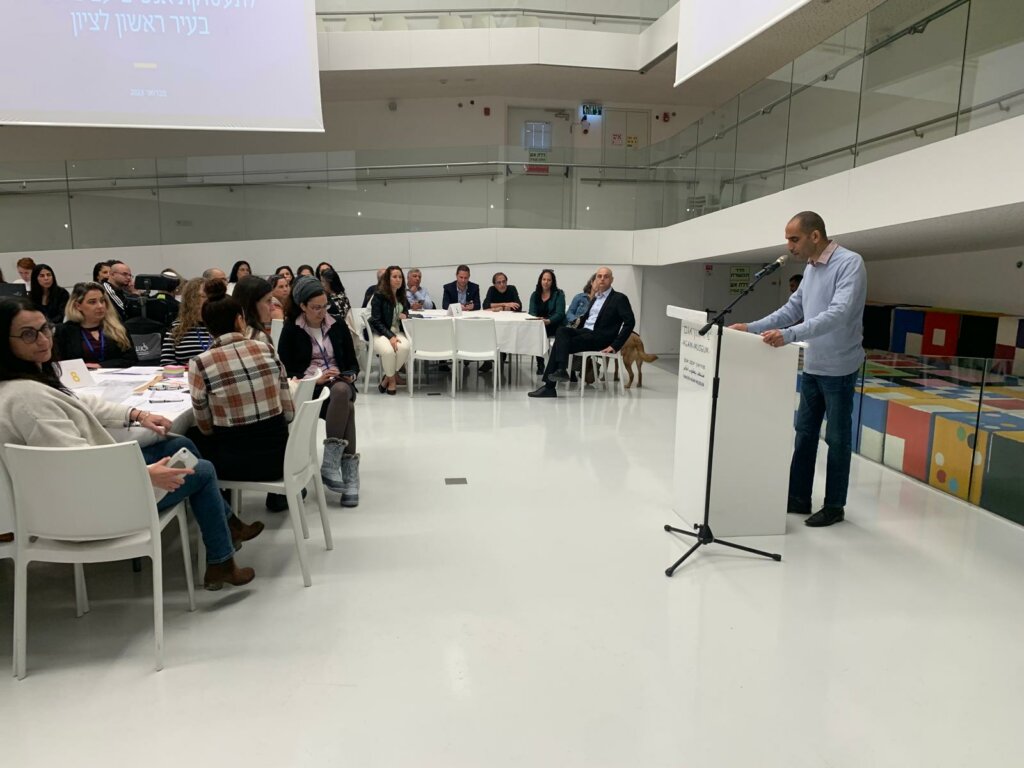
- Municipal and regional employment model: Promoting the Histadrut’s design of a localised, community-anchored employment framework (first pioneered in Eilat and now expanded nationally). This model brings together local municipalities, government ministries, local businesses, and grassroots NGOs to build accessible transit, localised training, and direct job placement pipelines.
- Training for employers, workers’ committees, and union secretaries: The Histadrut provides training for shop stewards, union reps, and HR teams across unionised workplaces. The program educates leaders on making physical and digital accommodations, setting up assistive tech, understanding unique worker needs, and preventing discrimination during hiring or promotions.
3. Minority integration and rights
A core pillar of modern labour representation is ensuring that Arab, Druze, Circassian, Ultra-Orthodox, and immigrant workers are protected from discrimination and fully integrated across every industry. The Histadrut implements several key initiatives to break down sectoral barriers:
- Expanding union access in Arab municipalities: The Division for Equality Promotion actively works to strengthen the Histadrut’s presence in Arab towns, villages, and the geographic periphery. By opening branches and conducting direct fieldwork in these areas, the Histadrut ensures Arab and Druze workers have safe, localised access to legal rights and union protection.
- Fostering Jewish-Arab coexistence at work: The workplace is often the most significant meeting point for different segments of Israeli society. To promote this, the Histadrut spearheads solidarity initiatives to highlight powerful stories of Jewish-Arab partnership, mutual respect, and collaboration on shop floors and in corporate offices across the country.
- Integrating the Ultra-Orthodox (Haredi) sector: The Histadrut operates a dedicated Division for Haredi Employment. It provides specialised union consultation, supports negotiations of collective agreements tailored to the needs of religious workers, and ensures safe, equitable integration into the workforce.
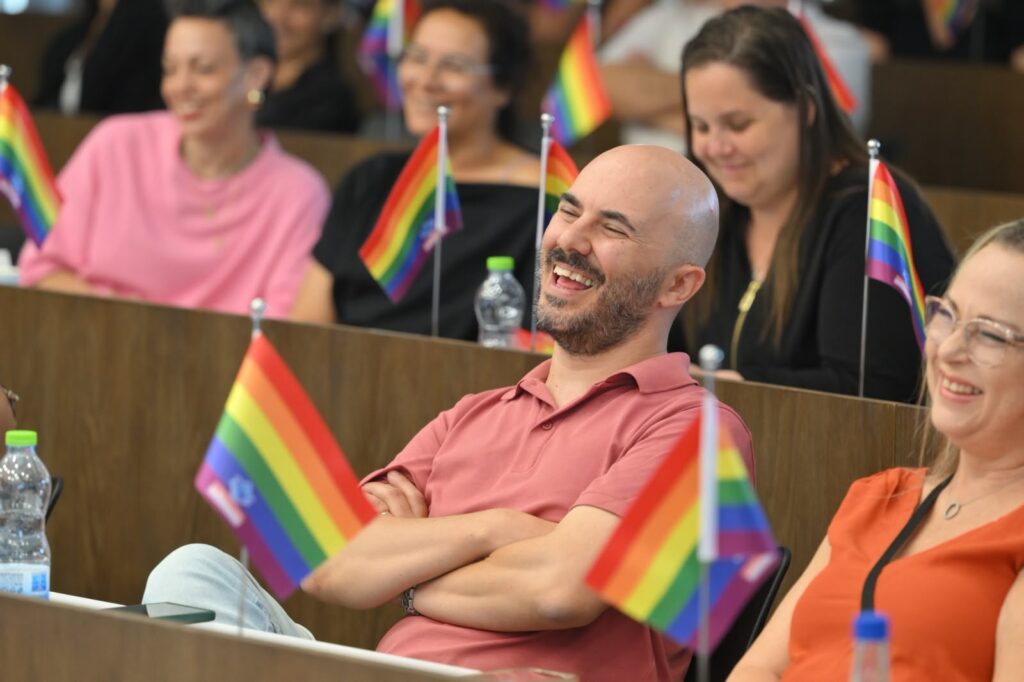
4. Inclusion and rights of the LGBTQ+ community
The Histadrut views workplace equality as incomplete without ensuring that LGBTQ+ employees can bring their whole selves to work without fear of discrimination, harassment, or career penalties. A dedicated division, the Histadrut union and districts, work to promote and implement the following projects and programs:
- Workplace pride cells: Building and training internal LGBTQ+ affinity groups and union delegates across unionised workplaces, including Bank Hapoalim, the Israel Electric Corporation, and municipal authorities, to foster supportive work cultures in both central Israel and peripheral regions.
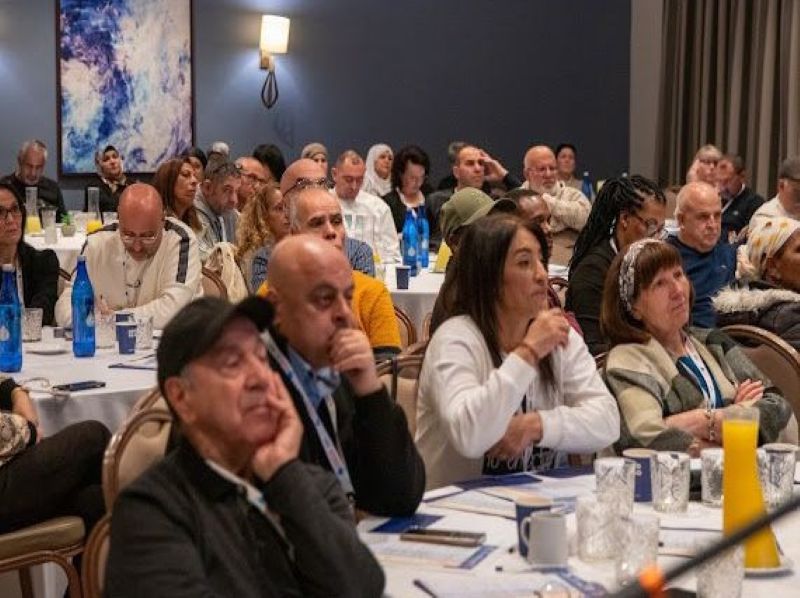
- National LGBTQ+ worker conferences and forums: Hosting annual dedicated LGBTQ+ worker conventions in collaboration with advocacy NGOs like LGBTWORK and Hoshen, focusing on labour law precedents, anti-discrimination protections, and the unique challenges faced by transgender and queer workers.
- National advocacy: advocating for systemic changes in the law and practices of the public and private sectors in hiring and supporting workers who identify with the community. Providing relevant information for people enquiring about rights via the Histadrut hotline.