A workforce counting its losses: 79 workers didn’t come home in 2025
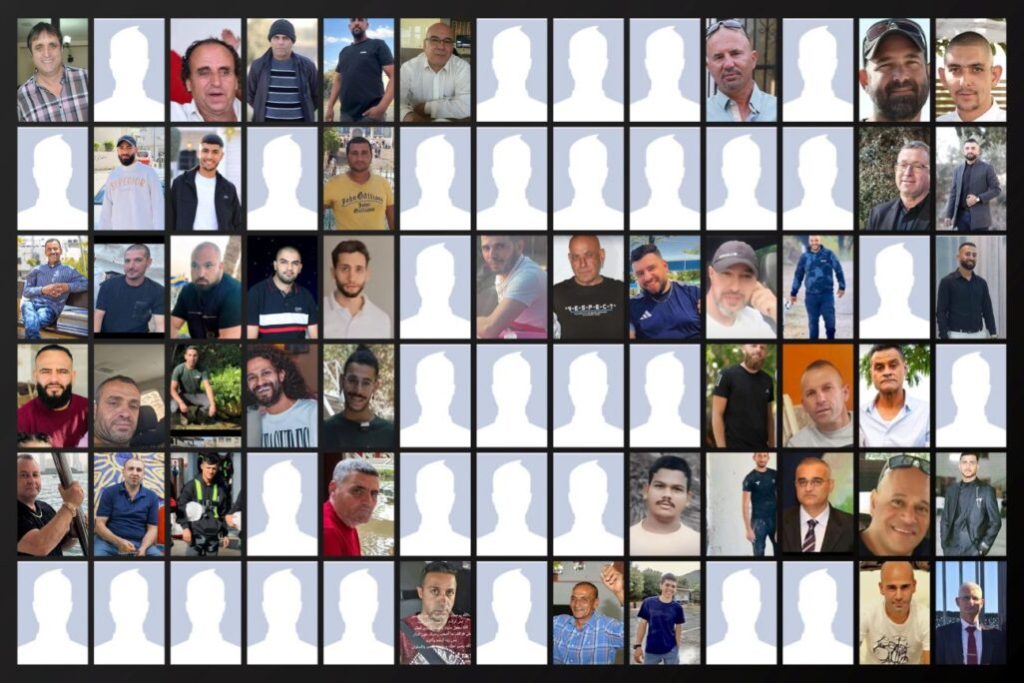
The year 2025 closed with a sobering statistic: seventy‑nine workers in Israel lost their lives in workplace accidents, more than half of them in construction, renovations, and infrastructure. The monthly toll reads like an unbroken tragedy. In January 2025 alone, seven workers were killed, including a 57‑year‑old who fell from a height and a 30‑year‑old who plunged through a factory roof. February was even deadlier, with eleven fatalities, among them two Chinese construction workers who fell into a deep shaft in Bat Yam and a worker who slipped into a concrete pit in Umm al‑Fahm. By mid‑year, tragedies involving crane falls, collapsing scaffolding, unprotected machinery, and extreme heat underscored how universal and predictable these dangers have become.
Building worker strength through safety education and collective bargaining
The Histadrut’s Building and Wood Workers’ Union escalated its pressure through formal dispute actions. Most recently, it filed a dispute order targeting the chronic lack of safety protections for Israel’s 2,000 tower‑crane operators. These workers, operating at extreme heights under unforgiving conditions, rely on outdated safety protocols. Yet we see unacceptable delays by employers in renewing the safety annex of the sector’s collective agreement, delays that directly endanger crane operators every day they climb into their cabins.
The decision to declare a labour dispute earlier this month follows numerous attempts by the workers’ representatives to meet with the Contractors Association to establish mechanisms for enforcing safety regulations that protect crane operators’ lives. These regulations are intended, among other things, to prevent failures such as allowing operators to work without valid licenses after proper training, failing to improve working conditions and excessively long hours, and demanding that crane operators act in violation of safety protocols under threat of dismissal.
“It is deeply troubling that the union must spend so much of its energy safeguarding workers’ lives, when safety should be the starting point for every employer. Under the leadership of Union Chairwoman Mazal Golan, we are pushing safety forward through negotiations, education sessions, and, when necessary, labour disputes. As the sector absorbs more and more foreign workers, ensuring they fully understand their rights and the safety standards they are entitled to becomes even more critical. But education alone isn’t enough. The law must change so that employers themselves are held accountable. Only then will we see the shift this industry so desperately needs”
Wael Abadi, head of the Union’s division for foreign labor
On the occasion of the World Day for Safety and Health at Work, on 26 February, the union plans to carry out a nationwide work stoppage across construction sites. Throughout that day, union representatives will visit worksites and meet workers directly, ensuring they receive clear information about safety standards, the protections they are entitled to under the law, and the rights they can exercise when they see hazards that threaten their lives. The message driving these engagements is simple: no construction project is worth a human life, and no worker should have to choose between silence and survival.
Making employers answer for safety failures will be the turning point
Beyond the daily struggle on job sites, the Histadrut has been leading one of the most consequential policy shifts in Israel’s recent labour history, a legal reform that will finally extend criminal and civil accountability to construction companies themselves. At present, only individual supervisors or site managers carry legal liability when a worker is killed or severely injured. This narrow framework allows companies to evade meaningful responsibility, even when systemic negligence is clear. Evyatar Hanan, the Histadrut’s Head of Policy and Strategy, stresses that shifting responsibility to companies will transform how safety is treated: “When corporate entities face real legal exposure, preventive investment becomes a business necessity rather than an optional cost.”
This new law is expected to enter into force in October 2026. If implemented effectively, it could reshape the construction sector’s culture and begin to reduce the death toll that has become tragically routine.
The Histadrut is committed to placing safety at the centre of national labour priorities. Pressing for stronger occupational safety standards, corporate accountability, and dignity at work, it is our role to ensure a safe and healthy working environment as a fundamental right.
Might interest you as well






We live together, we work together, and when there is a siren, we run to the bomb shelter together.

Histadrut survey: 78% of Israelis do not agree with the food manufacturers that price increases are inevitable



QAS Collective Agreement: 450 Airport Workers to Recieve Double the Subsistence Expenses and Grants


Twenty mandates of the pensioners deserve a positive attitude toward their demands


Palestinian workers benefit from a unique alternative dispute mechanism. The Grievance Committee

Eid al-Fitr brings unity: Histadrut reaffirms support for Palestinian workers, seeks to expand vocational training initiatives

Attorney Orly Nahum Appointed Chair of the Histadrut’s Ramat Gan–Bnei Brak Division