Healthcare is evolving. Nurses need AI literacy and the state must fund it
Amid rapid technological change, growing pressures on Israel’s healthcare system, and recent government suggestions of so-called surplus manpower in the public sector, the Nurses Union has taken meaningful steps to promote essential training. The union is sending a clear message that without a national and long-term strategy for training nurses and healthcare workers in the use of artificial intelligence tools, patient safety and system resilience will continue to deteriorate. Artificial intelligence will not replace workers. Workers who know how to use it will replace those who do not.
Shaul Skif, Chairman of the Histadrut’s Nurses Union, stresses that experience and expertise play a decisive role in patient outcomes. “The investment in existing workers must be at the top of everyone’s priorities. In the end, the experience of people in the healthcare system is decisive. Without it, people lose their lives.”
Structural neglect in workforce development
As artificial intelligence reshapes healthcare systems around the world, nurses and other health staff must be equipped with tools that improve diagnostic accuracy and strengthen their capacity to save lives. Yet Israel still lacks a national plan that ensures continuous and structured training for its healthcare workforce. Instead of addressing well-known structural weaknesses such as chronic understaffing, outdated budgeting systems, limited long-term planning, and the absence of strategic training programs, the government has increasingly shifted responsibility for these systemic failures onto workers. This trend was reinforced two weeks ago when Accountant General Yali Rothenberg claimed that twenty thousand state employees are not performing essential work.
At the Eilat Labour Conference this week, government officials argued that rising national security costs and increasing public debt make regular staff training financially impossible. In response, Skif stated that the goodwill of nurses cannot continue to be exploited and that training costs and training time must be added to collective agreements and recognized as part of staffing expenditure.
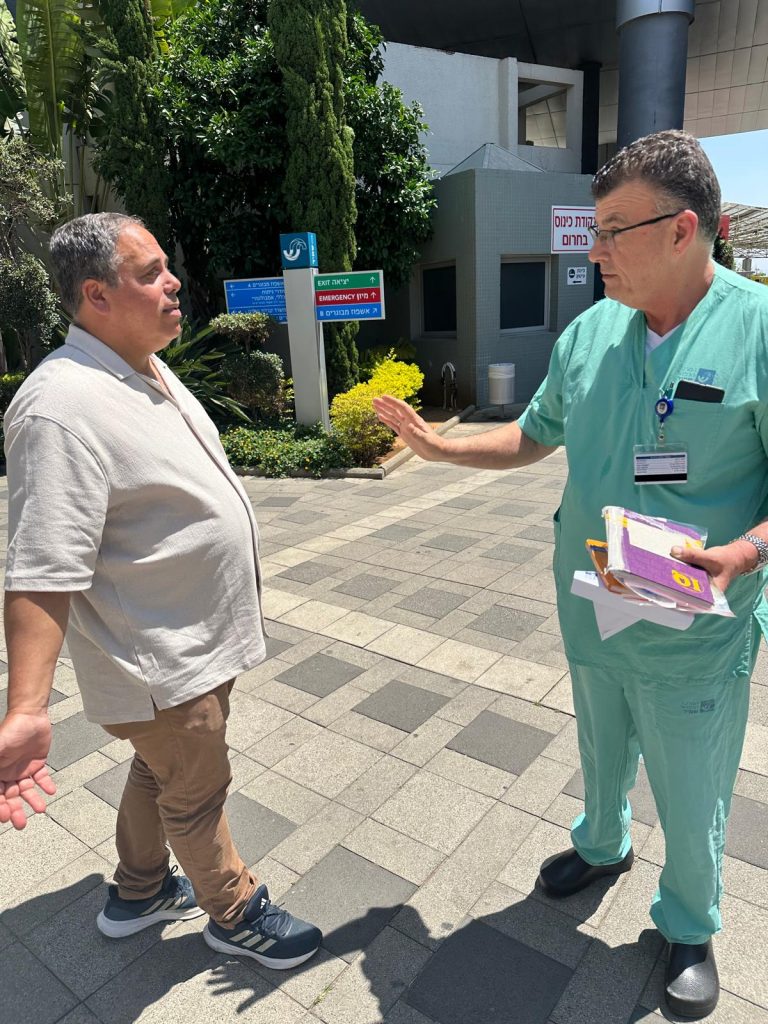
Nurses continue to dedicate personal time and resources to their own professional development, yet the level of institutional support they receive remains far from adequate.
Histadrut prepares educators to lead the next generation of AI ready nurses
The Histadrut’s Nurses Union recently organized a national seminar for 420 nursing educators focused on the integration of artificial intelligence into clinical practice. Participants were introduced to emerging tools and explored how artificial intelligence is already transforming clinical work. The increasing pace of technological change requires new competencies for those responsible for training the next generation of nurses. The seminar highlighted the need for educators to fully understand these developments in order to prepare their students responsibly and effectively.
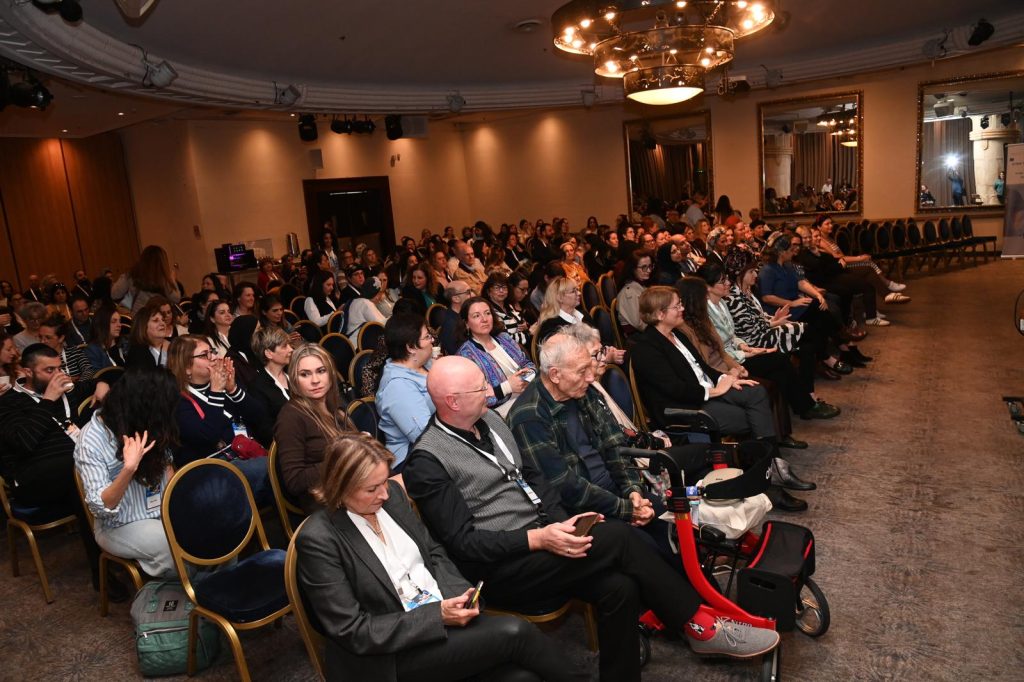
As Skif explained, “The artificial intelligence revolution creates enormous opportunities for us as nurses, but also not simple challenges and considerable risks. We must prepare, and create the knowledge and the right frameworks for work that integrates artificial intelligence.”
The seminar was coordinated by Dr Tamar Vachter, Head of the Education Division of the Nurses union.
The Histadrut remains committed to advancing meaningful investment in the healthcare workforce. This commitment is not only a matter of labour rights. It is the basis of a resilient and fair healthcare system. Strengthening the skills of nurses today ensures the health and safety of entire communities tomorrow.
Might interest you as well

Histadrut urges government to halt privatization plans in 2026 Economic Arrangements Bill


Freesbe workers unionize with Histadrut to negotiate improved employment conditions

Arnon Bar-David calls on the people of Israel to rally around President Herzog’s 5 point proposal

Hundreds of Nahariya residents protest the cost of living crisis, "Enough! Everything is so expensive here"

New extension order was signed following a collective agreement covering the monitoring & patrol services


Israel Paying High Price for Crisis: Histadrut Chairman Reacts to Moody's Damning Review

62% of public workers admit to being affected by violence at work in the past year


ITUC General Secretary Luc Triangle on a solidarity visit with the workers of Israel.



Chairman of the Histadrut demands PM intervention to save the daycare industry from collapse