A Defining Moment for Platform Workers
As the International Labour Organization (ILO) convenes its second discussion on a potential convention governing the platform economy. This year the Histadrut is joining the discussions once more with anticipation and hope for the realization of a convention that will make history. At stake is nothing less than the future of work for millions of platform workers worldwide, and the principles that will determine whether technological progress deepens inequality or helps build a more just and inclusive global labor market.
The platform economy has transformed work at a pace few could have imagined just a decade ago. Digital platforms, ranging from ride-hailing and food delivery services to freelance marketplaces, have created new opportunities for flexibility, entrepreneurship, and income generation. Yet this transformation has also exposed significant gaps in labor protections. Many platform workers operate in a gray zone, often classified as independent contractors rather than employees, leaving them without access to basic rights such as minimum wages, social security, collective bargaining, or occupational safety coverage.
The ILO social partners effort to consider a binding convention on platform work reflects growing global recognition that these challenges require coordinated international action. The second discussion phase is expected to be especially consequential, as governments, employers, and workers’ representatives negotiate the substance of potential standards. The Histadrut’s involvement signals that Israel intends not merely to observe but to contribute to shaping these global norms.
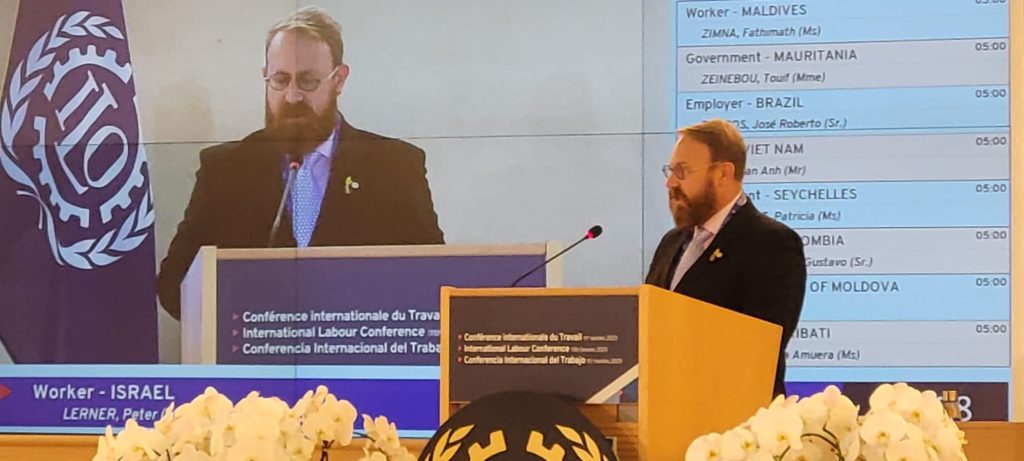
For platform workers in Israel, the implications could be significant. Israel has a vibrant technology sector and a rapidly growing gig economy, with thousands of workers relying on digital platforms for their livelihoods. However, regulatory frameworks have not fully kept pace with the realities of this new labor market. A strong ILO convention, could provide a blueprint for domestic reforms in Israel, clarifying employment status, strengthening protections, and promoting fair competition among businesses.
Globally, the stakes are even higher. Platform work is inherently transnational, with companies operating across borders and workers often competing in global labor pools. Without international standards, there is a real risk of a “race to the bottom,” where companies gravitate toward jurisdictions with the weakest protections. A robust ILO convention could help establish a floor of rights that applies regardless of geography, ensuring that innovation does not come at the expense of dignity and fairness.
Yet the path toward such a convention is unlikely to be smooth. The upcoming discussions are expected to be tough and, at times, contentious. Employers’ representatives often emphasize the importance of preserving flexibility and innovation, warning against overregulation that could stifle growth. Some governments may also be cautious, concerned about the economic implications of imposing stricter labor standards on emerging sectors. Meanwhile, workers’ organizations, including the Histadrut, are likely to push for clear definitions, enforceable rights, and mechanisms that allow platform workers to organize and bargain collectively.
These debates reflect deeper questions about how societies should navigate the evolving nature of work. The convergence of platform technologies with advances in artificial intelligence and even the emerging potential of quantum computing is accelerating change in ways that are difficult to predict. Algorithms increasingly determine how work is allocated, how performance is evaluated, and how workers are compensated. This raises urgent issues of transparency, accountability, and bias. Workers often have little visibility into these systems, let alone the ability to challenge decisions that affect their livelihoods.
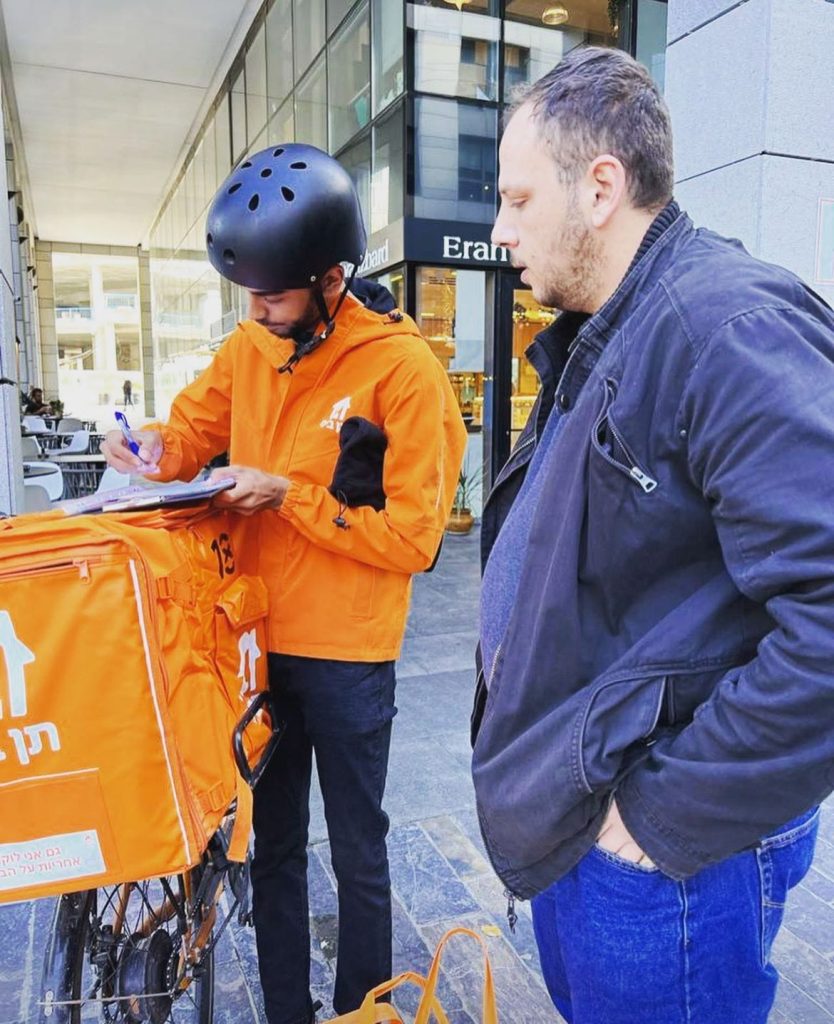
In this rapidly shifting landscape, a human-centered approach is not just desirable, it is essential. Such an approach would prioritize fairness, ensuring that workers receive adequate compensation and protections regardless of how their labor is mediated. It would emphasize transparency, requiring platforms to explain how algorithms influence working conditions and outcomes. It would promote access to training and upskilling, recognizing that workers must be equipped to adapt as technology evolves. And it would strengthen social safety nets, ensuring that flexibility does not mean insecurity.
The Histadrut, with its long history of advocating for workers’ rights while engaging constructively with employers and policymakers, is well positioned to contribute to this vision. By participating actively in the ILO discussions, we can help bridge perspectives, drawing on Israel’s experience as both a high-tech hub and a society grappling with inequality and labor market fragmentation. Its voice can underscore that technological leadership and social responsibility are not mutually exclusive, but mutually reinforcing.
Ultimately, the second discussion of the ILO platform economy convention represents a pivotal moment. The decisions made, or deferred, will shape the trajectory of work for years to come. For platform workers in Israel and around the world, the hope is that this process will lead to a framework that harnesses the benefits of innovation while safeguarding the rights and dignity of those who make that innovation possible. The Histadrut’s anticipated participation adds an important and timely voice to this global conversation, one that insists that, even in an age of algorithms and quantum breakthroughs, the future of work must remain fundamentally human.
Might interest you as well

Histadrut signs collective agreement for workers of the renewable energy power station at Ashalim

Palestinian workers benefit from a unique alternative dispute mechanism. The Grievance Committee

Arnon Bar-David refutes allegations of conspiracy, reaffirms commitment to serve Israeli society

Amid constitutional crisis Bar-David promises: Histadrut will not be on the sidelines


"Together, we will make sure that 5783 will be a year blessed with achievements better for workers, retirees, and the State of Israel."
Yossi Barabi: Imagine yourself as a cleaner whose head is in the toilet all day for only NIS 5300

Histadrut Job Fair to Connect Displaced Persons, Students, and Young People with Leading Employers

After Years of Stagnation: New Collective Agreement Signed For Fire and Rescue Workers

Na'amat: Legal duty of companies to review the gender wage gap will lead to workers' demand for equality

When solidarity becomes selective: How the trade union movement is undermining its own values on Israel


Gil Bar-Tal: We must allow everyone to integrate equally into the workforce so that everyone can fulfill themselves.