No concession on worker protections: Histadrut opposes Dead Sea Concession Law
A new draft law that aims to regulate the terms of a new concession for mineral extraction from the Dead Sea, ahead of the expiration of the current concession in 2030, has been published for public comment. It does not offer any safeguards to current unionisation and the rights and job security of thousands of employed workers.
The Histadrut has voiced strong opposition to advancing the proposed Dead Sea Concession Law in its current form, warning that the legislation fails to safeguard the rights and job security of thousands of workers employed at Dead Sea Works and related facilities. The Histadrut demands that the government halt the legislative process until a binding chapter guaranteeing employment continuity and workers’ protections is included.
What the Dead Sea Concession Law is and why it’s being rewritten
The Dead Sea Concession Law is the legal framework, first set in 1961, that governs mineral extraction from the Dead Sea. The current concession expires on March 31, 2030. To prepare for this, the government has drafted a new law to re‑regulate the concession, serve as the basis for allocating the next concession via a competitive tender, and update the economic and environmental rules that will apply to any future operator. The draft aims to raise the state’s long‑term share of profits to around 50% through revised royalties and related mechanisms, while strengthening environmental protections, such as reducing the future concession area, applying the “polluter pays” principle, and creating incentives for efficient resource use. It nevertheless omits clear provisions for employees’ future in the event of a change in concessionaire, structural changes, or a concession split.
A vital economic anchor at risk
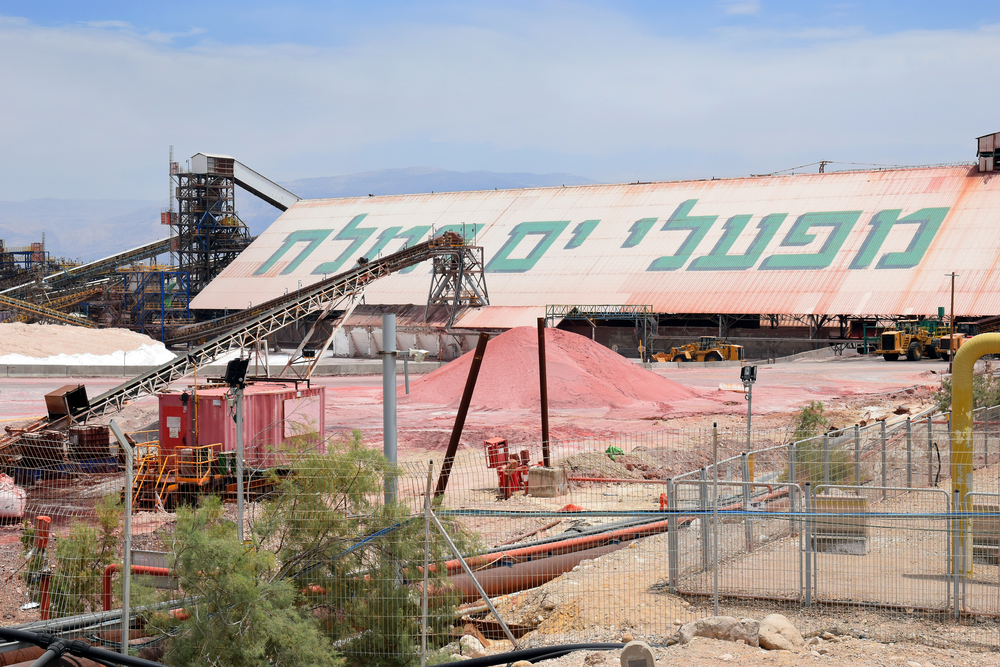
Dead Sea Works serves as a critical economic anchor in the Negev, directly and indirectly supporting thousands of families. The draft law lacks mechanisms to ensure employment continuity, preserve seniority, and protect against mass layoffs. Any disruption in concession terms could have immediate consequences for job security, working conditions, and regional stability. These issues must be addressed now, not deferred to later stages of the legislative process.
“It is unacceptable to advance a strategic law without employment security for thousands of families in the Negev,” said Rom Dvir, Chair of the Histadrut’s Hotel, Chemistry, and Agriculture Workers’ Union.
Histadrut’s key demands for worker protection
- Guaranteed employment continuity for all workers under any future concessionaire.
- Full preservation of seniority, social benefits, pensions, and collective agreements.
- Mandatory consultation with worker representatives during tender publication and ownership changes.
- Regulatory approval for any large-scale layoffs, alongside retraining and placement programs.
- Safeguards to maintain supply chains for related industries to prevent job losses.
- A concession structure that avoids outsourcing or relocation abroad.
- Worker representation in the management body overseeing the concession process.
No reform should come at the cost of labor rights
Acting Histadrut Chair Roi Yaakov emphasized: “The real strength of the Dead Sea lies not only in its minerals but in the thousands of workers who are the beating heart of Israeli industry in the Negev. We will not allow the state to reshape the future of this concession while ignoring those who built these plants with their own hands.”
The Histadrut is willing to cooperate with the government on a balanced framework, but will not support legislation that jeopardizes workers’ security or the socio-economic future of the Negev.
Privatization and concession renewals often overlook labor rights. The Histadrut will keep standing by workers to fight for binding legal protections to ensure that economic transitions do not come at the expense of workers’ livelihoods.
Might interest you as well

Israel lagging behind in AI workplace preparedness, new Arlozorov Forum study warns



Government Employees Union declare labor dispute following destructive coalition agreement








Histadrut Construction Workers Union: No room for personnel employment corporations for Palestinian workers in the building sector

Histadrut leads parliamentary discussion on expanding employment opportunities for people with disabilities