Collective Agreements
New labour standards in the private power generation sector
16.09.26
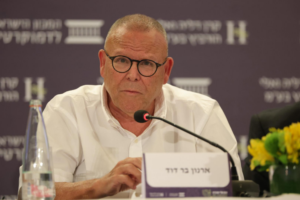
Histadrut Chairman Arnon Bar-David has addressed the compensation outline introduced by Finance Minister Bezalel Smotrich approximately one week ago, regarding wage protections for workers affected by the security situation during Lion’s Roar operation.
The framework, presented last week by the Ministry of Finance, sets the basis for how employees who were unable to work due to Home Front Command directives and wartime disruptions will be compensated.
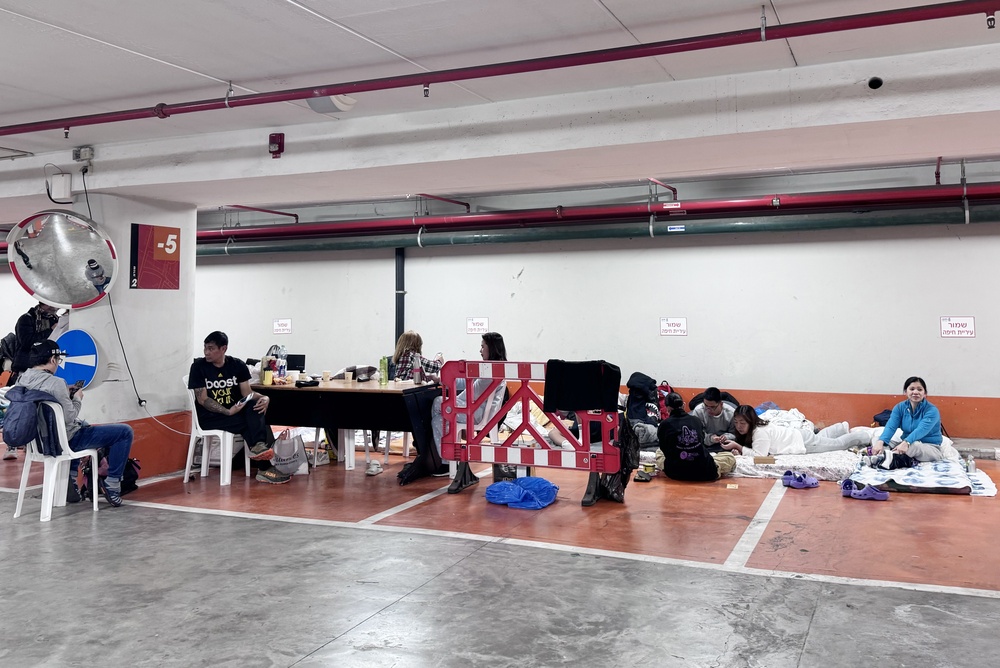
The compensation framework introduced by the Finance Minister includes several temporary adjustments to unemployment benefit eligibility for workers placed on unpaid leave during the conflict. Under the proposal, employers may place employees on unpaid leave only with the worker’s explicit consent. Once on leave, employees will be eligible to receive state-funded unemployment benefits, provided they meet the revised criteria.
The plan shortens the minimum qualifying period for unpaid leave from 30 days to 14 consecutive days, removing the standard five‑day waiting period before unemployment benefits begin. Whilst the plan makes it easier for workers affected by wartime disruptions to access support, it still lacks support for those who did not attend work for less than 14 consecutive days.
Histadrut Chairman Arnon Bar-David described the plan as “a good starting point that provides a safety net for certain sectors of workers who have been absent throughout the entire period.”
However, the framework still excludes a large segment of the workforce. Workers who stayed home during the first week of the conflict but returned to work afterwards currently have no defined compensation mechanism. Therefore, the Histadrut is pursuing essential adjustments that are necessary so that “the safety net is as wide as possible.”
Over the past two weeks, the Histadrut has been engaged in intensive deliberations with the Finance Ministry, led by the Wage Commissioner and his team, to refine and expand the terms of the proposed compensation scheme. The discussions aim to secure clear and fair arrangements for public sector employees who have been absent.
At the beginning of the war, the Histadrut reestablished its call for a structured, automatic system that activates during emergencies, ensuring the continuous flow of economic oxygen to the public. Previous rounds of conflict have relied on improvised compensation arrangements, often drafted under pressure and implemented inconsistently, highlighting the urgent need for clear, predictable protections for workers from the very first days of a crisis.
Bar-David confirmed that the Histadrut will continue its dialogue with both the Ministry of Finance and the Knesset Finance Committee to ensure that all affected workers receive equitable and comprehensive support.

